

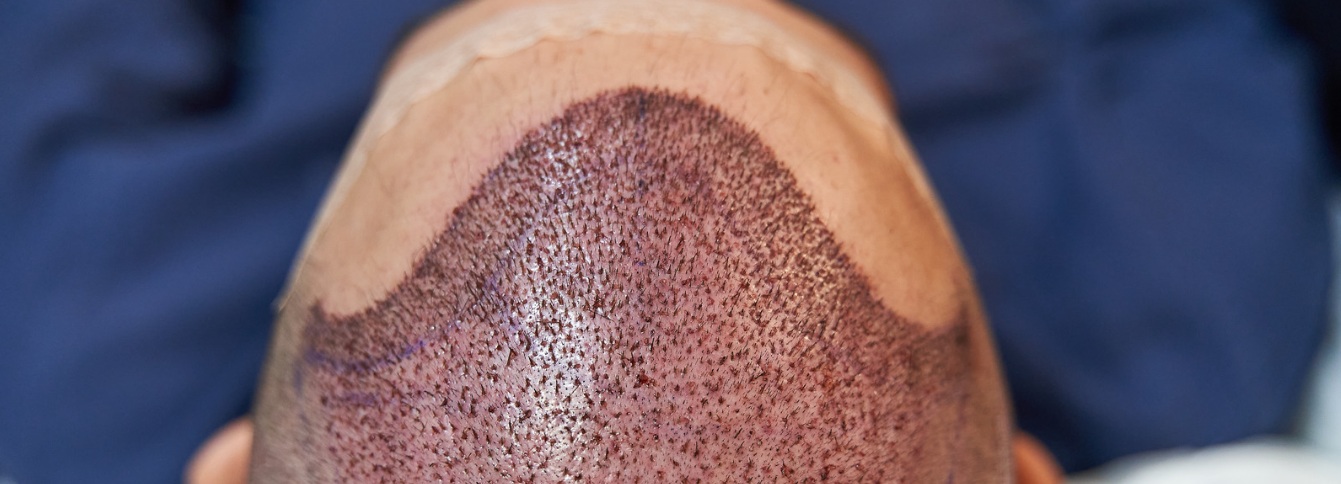
Hair Transplant Aftercare: Protecting Your Results
A hair transplant does not end when you leave the clinic. What happens during the days, weeks and months afterwards matters too. Here is how to approach recovery, protect your grafts and support the native hair around your transplant.
A successful transplant is only the beginning
Modern FUE and FUT hair transplantation can produce impressive, natural-looking results when performed well. But the procedure itself is only one stage of the process.
During the early recovery period, the scalp needs time to heal and the newly implanted grafts need to settle. Your clinic should provide specific instructions covering washing, sleeping, exercise, medication and general scalp care.
Those instructions take priority over generic advice found online, because techniques and post-operative protocols can vary between surgeons.
If your clinic's advice differs from something you read in an article, follow the clinic that performed your procedure. They know the surgical technique used, your medical history and how your scalp looked at the end of surgery.
Four priorities immediately after a hair transplant
Don't disturb the grafts
Avoid scratching, rubbing or unnecessarily touching the recipient area. Follow your clinic's instructions on when and how the scalp can first be washed.
Sleep as instructed
Clinics commonly recommend a particular sleeping position during the first few nights to minimise contact with the recipient area and manage swelling.
Take exercise slowly
Strenuous exercise is usually restricted during early recovery. Follow the timeframe given by your surgeon before returning to the gym, running or contact sport.
Protect the scalp
Avoid unnecessary sun exposure and anything that rubs directly against the healing recipient area until your clinic says it is safe.
A realistic hair transplant recovery timeline
One of the most important parts of transplant aftercare is knowing what to expect. Hair restoration is slow, and the scalp can look very different at various stages of recovery.
Healing
Redness, crusting and some swelling can occur during the early recovery period. Follow the clinic's washing and aftercare protocol carefully.
Shedding & waiting
Transplanted hairs commonly shed before new growth begins. This can be alarming, but shedding of the hair shaft does not necessarily mean the transplanted follicle has been lost.
Growth & maturation
New growth gradually becomes more visible and the transplanted hair continues to mature. Final results can take a year or longer, depending on the individual and area treated.
Your transplanted hair and your native hair are not the same thing
Hair transplant grafts are normally harvested from areas at the back and sides of the scalp that are more resistant to the miniaturising effects of androgenetic alopecia.
The existing, non-transplanted hair surrounding those grafts may still be genetically susceptible to further thinning.
This is why long-term maintenance matters.
A transplant can redistribute hair, but it does not switch off the underlying process of androgenetic alopecia in your remaining native follicles.
If surrounding hair continues to thin over the following years, the relationship between the transplanted and native areas can change. Protecting existing hair is therefore an important part of long-term transplant planning.
What about finasteride and minoxidil after a transplant?
Depending on the patient, a hair transplant clinic may discuss treatments such as finasteride or minoxidil to help manage continuing androgenetic hair loss.
These treatments perform a different job from the transplant itself. The transplant relocates follicles; medical treatment is generally aimed at maintaining or supporting susceptible native hair.
Finasteride and minoxidil are not suitable for everybody and each has potential side effects and practical considerations. Whether they are appropriate should be discussed with an appropriately qualified healthcare professional.
If you were already using either treatment before surgery, do not decide independently when to stop or restart it. Follow the instructions given by your transplant clinic.
Where does nutrition fit into hair transplant aftercare?
Hair is a rapidly growing tissue and normal hair production depends on adequate nutrition. Protein, iron, zinc and a range of vitamins and minerals all have roles in normal physiological processes involved in hair health.
This does not mean taking extra supplements will make transplanted grafts “take” or guarantee faster regrowth. Graft survival depends primarily on surgical technique, appropriate handling and post-operative healing.
Nutritional support is better viewed as part of the wider environment in which both transplanted and native hair will grow over the months and years ahead.
Eat enough protein and energy
Recovery is not the ideal time for aggressive crash dieting. Maintain a balanced diet with adequate protein and overall energy intake.
Correct genuine nutritional problems
Where iron or another nutrient deficiency is present, correcting it can be important for normal hair health and general wellbeing.
Use them as support, not surgery insurance
A hair supplement can complement a healthy diet, but it should not be marketed or viewed as a guarantee of graft survival.
Ask your surgeon first
Tell your clinic about any supplements you take before surgery and confirm when they are happy for you to continue or restart them afterwards.
Where can HR23+® fit into the routine?
HR23+® is a non-prescription daily hair-support supplement formulated with 23 selected vitamins, minerals and botanical ingredients.
Its role after a hair transplant is best understood as nutritional hair support. It does not replace the surgeon's aftercare protocol, secure newly implanted grafts or perform the same function as treatments such as finasteride or minoxidil.
Instead, HR23+® can form part of the longer-term routine for men and women who want a dedicated nutritional formula alongside good diet, appropriate scalp care and any treatments recommended by their clinic.
Hair transplant aftercare: the simple do and don't list
Do
- Follow your surgeon's instructions exactly.
- Wash the recipient area only as instructed.
- Expect some transplanted hairs to shed.
- Eat adequately during recovery.
- Protect your remaining native hair long term.
- Take consistent progress photographs.
Don't
- Scratch or pick at the recipient area.
- Rush back into strenuous exercise.
- Panic when transplanted hairs begin shedding.
- Expect your final result within a few months.
- Start or stop medication without appropriate advice.
- Assume the transplant stops future native hair loss.
Think beyond the first few weeks
The immediate priority after a hair transplant is straightforward: protect the grafts and follow your surgeon's instructions.
But good transplant aftercare eventually becomes long-term hair management. The newly transplanted hair is only one part of the final picture. Your native hair, scalp health, nutrition and any ongoing pattern hair loss continue to matter.
A successful transplant should therefore be viewed as the beginning of a long-term maintenance strategy rather than the end of your hair-loss journey.
Support your hair beyond the transplant
HR23+® combines 23 carefully selected vitamins, minerals and botanical ingredients in one dedicated daily formula for men and women. It can provide nutritional hair support as part of your wider long-term post-transplant routine.
Explore HR23+®Hair transplant aftercare: FAQ
Is shedding normal after a hair transplant?
Yes. The transplanted hair shafts commonly shed during the weeks after surgery before new growth begins. Follow your clinic's advice if you are concerned about anything unusual during recovery.
How long does a hair transplant take to grow?
Hair transplantation is a slow process. Early new growth generally becomes apparent over the following months, while density, texture and overall appearance can continue developing for 12 months or longer.
Can native hair continue thinning after a transplant?
Yes. A transplant does not stop androgenetic alopecia affecting susceptible non-transplanted follicles. This is why long-term maintenance of native hair is an important consideration.
Should I take supplements after a hair transplant?
Supplements are not required for grafts to survive and cannot guarantee transplant growth. A dedicated hair supplement can provide nutritional support as part of a wider healthy diet and long-term hair-care routine. Always tell your surgeon what supplements you use.
Can HR23+® be used with minoxidil or finasteride?
HR23+® is a nutritional supplement rather than a replacement for either medication. If you use prescription or topical hair-loss treatments, discuss your complete post-transplant routine with your surgeon or healthcare professional.
This article provides general information and is not a substitute for medical or surgical advice. Hair transplant techniques and recovery protocols vary. Always follow the specific post-operative instructions supplied by your transplant surgeon and consult them before starting, stopping or restarting supplements or medication around your procedure.