

Ginkgo Biloba for Hair Loss: Can It Really Help?
Ginkgo biloba is one of the world's best-known botanical supplements. Its plant compounds and effects on circulation have led to claims that it may also benefit thinning hair — but the evidence for direct hair regrowth is much less certain.
What is ginkgo biloba?
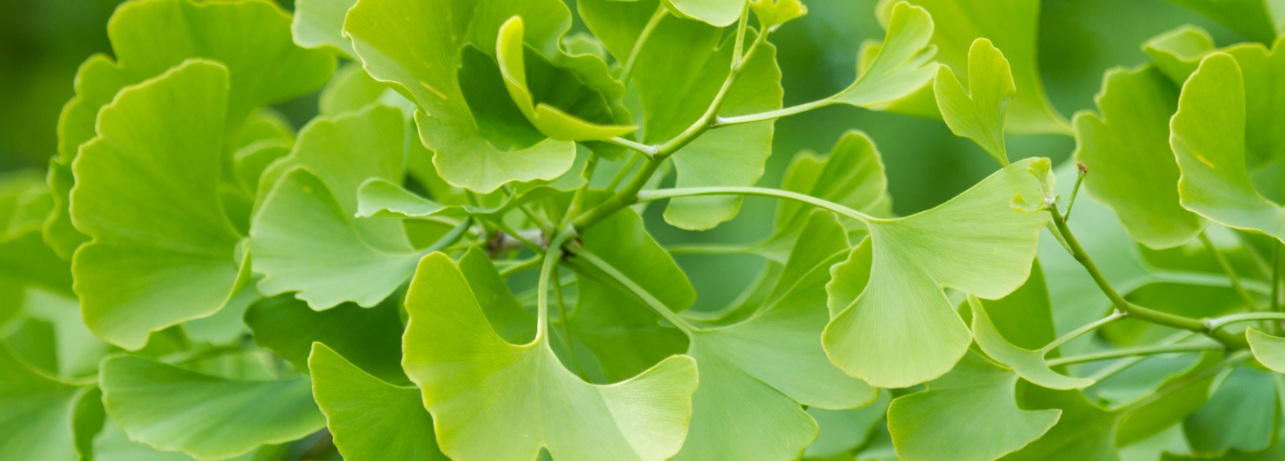
Ginkgo biloba is an ancient tree species native to China. Extracts from its leaves have been used in supplements for many years and contain a variety of naturally occurring plant compounds, including flavonoids and terpene lactones.
Ginkgo is much better known for research into circulation and cognitive function than it is for hair loss.
Nevertheless, its biological properties have led to its inclusion in some hair supplements and scalp products.
The important question is whether that makes it a genuine hair-loss treatment — and currently, the evidence does not support going that far.
Hair follicles require a normal blood supply, but common genetic hair loss is not simply caused by poor circulation. Increasing blood flow alone should not be assumed to reverse follicle miniaturisation or regrow lost hair.
Why is ginkgo biologically interesting?
Flavonoids
Ginkgo leaves contain flavonoids and other plant compounds that have attracted interest for their antioxidant properties.
Circulatory effects
Standardised ginkgo extracts have been investigated for effects relating to blood flow and vascular function.
Botanical research
Ginkgo has been extensively studied as a botanical ingredient, but most of that research has not been specifically focused on human scalp-hair growth.
Can ginkgo biloba prevent hair loss?
There is currently insufficient high-quality human evidence to describe ginkgo biloba as a proven treatment for hair loss.
It has been proposed as a potentially useful hair-support ingredient because of its wider biological properties, particularly its plant polyphenols and circulatory effects.
But these mechanisms should not be confused with demonstrated clinical hair regrowth.
What makes ginkgo interesting
- Contains naturally occurring flavonoids.
- Contains terpene lactones.
- Has been studied in relation to circulation.
- Has antioxidant biological activity.
- Can form part of a wider botanical formula.
What hasn't been established
- That ginkgo reliably stops hair loss.
- That it regrows genetically lost hair.
- That it repairs weakened hair follicles.
- That it prevents postpartum shedding.
- That it stops seasonal or stress-related shedding.
- That it is a clinically proven DHT blocker.
Does improving scalp blood flow grow more hair?
This is where many of the claims surrounding ginkgo and hair begin.
Hair follicles are living structures supplied by blood vessels, so a healthy vascular supply is obviously necessary for normal follicle function.
However, it does not follow that increasing circulation beyond normal levels will stimulate significant new hair growth.
Hair loss is more complicated than blood flow.
In androgenetic alopecia, genetically susceptible follicles gradually miniaturise in response to androgen signalling. The condition cannot be reduced to poor circulation.
Even if an ingredient influences circulation, that does not prove that it can reverse the underlying process of pattern hair loss.
Does ginkgo biloba block DHT?
There is not convincing clinical evidence that ginkgo biloba acts as an effective DHT-blocking treatment in people with androgenetic alopecia.
This distinction matters because DHT plays a central role in male pattern hair loss and contributes to pattern hair loss in susceptible women.
Ginkgo should therefore not be placed in the same category as established treatments that directly affect androgen pathways.
What about scalp inflammation?
Ginkgo contains plant compounds investigated for a variety of biological effects, including pathways associated with inflammation.
But describing ginkgo as something that “heals an inflamed scalp” or “repairs weak follicles” is too strong.
An inflamed, painful, itchy or persistently flaky scalp can have many causes. These may include seborrhoeic dermatitis, psoriasis, contact dermatitis and other scalp conditions requiring cause-specific management.
A botanical supplement should not be used as a substitute for identifying the cause of persistent scalp inflammation.
Can ginkgo help postpartum, seasonal or stress-related shedding?
These forms of shedding are frequently grouped together in hair-product marketing, but they can involve very different circumstances.
Postpartum shedding is commonly associated with changes in the hair cycle following pregnancy. Telogen effluvium can follow illness, surgery, significant physiological or emotional stress, rapid weight loss and other triggers. Seasonal variation in shedding has also been observed in some people.
There is not good evidence that ginkgo biloba specifically prevents these processes.
Where shedding is temporary, addressing the relevant trigger and allowing the hair cycle time to recover is more important than relying on a single botanical ingredient.
Three claims that go beyond the evidence
“Ginkgo repairs damaged hair follicles.”
There is no established clinical evidence that taking ginkgo physically repairs miniaturised or damaged human scalp follicles.
“More scalp circulation means more hair growth.”
Normal blood supply is essential, but simply increasing circulation does not necessarily overcome genetic, hormonal or medical causes of hair loss.
“Ginkgo is a natural treatment for DHT.”
Ginkgo has not been established as a clinically effective DHT blocker and should not be presented as an alternative version of an anti-androgenic medicine.
Is ginkgo biloba safe?
Ginkgo is widely used in supplements, but botanical does not automatically mean suitable for everybody.
Ginkgo can interact with medicines.
Ginkgo may affect bleeding risk and can interact with certain medications. Anyone taking anticoagulant or antiplatelet medication, preparing for surgery, pregnant or breastfeeding, or managing a medical condition should seek appropriate advice before using a concentrated ginkgo supplement.
Why is ginkgo biloba included in HR23+®?
HR23+® uses ginkgo biloba as one botanical component within its wider nutritional hair-support formula.
Its inclusion reflects the broader biological interest surrounding ginkgo's plant compounds rather than a claim that ginkgo alone can stop hair loss or regrow lost hair.
A botanical ingredient
Ginkgo provides naturally occurring plant compounds including flavonoids and terpene lactones.
Not used in isolation
Ginkgo forms one component of the complete HR23+ formulation rather than being relied upon as a stand-alone solution.
A combined formula
HR23+ combines selected botanical ingredients with vitamins and minerals in one dedicated daily hair-support supplement.
Support rather than treatment
Ginkgo is best viewed as part of a broader nutritional strategy, not as a proven treatment for androgenetic alopecia or telogen effluvium.
Ginkgo is interesting. The hair-growth claims are less certain.
Ginkgo biloba contains biologically active plant compounds and has a long history of use as a botanical supplement.
Its effects relating to circulation and its antioxidant properties make it an interesting ingredient for wider research.
What we do not currently have is strong clinical evidence that ginkgo alone stops hair loss, blocks DHT or produces meaningful hair regrowth in men and women.
Within HR23+, its role is therefore supportive: one botanical component within a much broader nutritional hair formula.
Ginkgo biloba. One part of a 23-ingredient formula.
HR23+® combines ginkgo biloba with 22 other selected vitamins, minerals and botanical ingredients in one dedicated daily hair-support formula for men and women.
Explore HR23+®Ginkgo biloba and hair loss: FAQ
Does ginkgo biloba help hair growth?
Ginkgo contains biologically active plant compounds and has been investigated for effects relating to circulation. However, there is limited direct human evidence that ginkgo supplementation reliably increases scalp-hair growth.
Can ginkgo biloba stop hair loss?
Ginkgo is not an established treatment for common hair-loss conditions. Hair loss has many possible causes, and treatment or management should be matched to the underlying cause.
Does ginkgo biloba block DHT?
Ginkgo has not been established as a clinically effective DHT blocker in people with androgenetic alopecia.
Does increased scalp circulation prevent baldness?
Normal blood supply is necessary for healthy follicles, but male and female pattern hair loss are not simply caused by poor circulation. Increasing circulation alone has not been shown to reverse follicle miniaturisation.
Can ginkgo help stress-related shedding?
There is insufficient evidence that ginkgo specifically prevents or treats stress-related telogen effluvium. Identifying and addressing the underlying trigger is more important.
Can ginkgo help an inflamed scalp?
Ginkgo contains plant compounds studied in relation to inflammatory pathways, but it should not be considered a treatment for an inflamed scalp. Persistent inflammation, scaling, pain or irritation should be managed according to its cause.
Why is ginkgo biloba included in HR23+®?
Ginkgo biloba is included as one botanical component of HR23+'s wider 23-ingredient nutritional hair-support formula rather than as a stand-alone treatment for hair loss.
This article is for general information only and should not be considered medical advice. Persistent, sudden, severe or unexplained hair loss should be appropriately assessed. Ginkgo may interact with some medicines, particularly medicines affecting blood clotting, so individual medical advice should be sought where appropriate.