Home > Hair Loss Guide 2026 > Hair Loss Journal > Treatments for Hair Loss > Best Hair Loss Treatments

The Best Hair Loss Treatments on the Market (2026 Guide)


If you're searching for the best hair loss treatments on the market, you’ve likely discovered one frustrating truth: there is no permanent cure for pattern baldness or genetic hair thinning.

However, while there is no cure for androgenetic alopecia (male or female pattern hair loss), there are clinically proven treatments that can slow shedding, preserve density, and in some cases stimulate partial regrowth.

Currently, there are only two medically approved hair loss treatments recognised by regulatory authorities:

  • Finasteride (Propecia) – oral DHT blocker for men
  • Minoxidil (Rogaine/Regaine) – topical hair regrowth solution

That said, there are additional emerging therapies, prescription alternatives, and high-quality non-prescription formulas that may support hair growth and reduce excessive shedding.

Below is a detailed breakdown of the most effective hair loss treatments available today — including medical, pharmaceutical, emerging, and natural options.


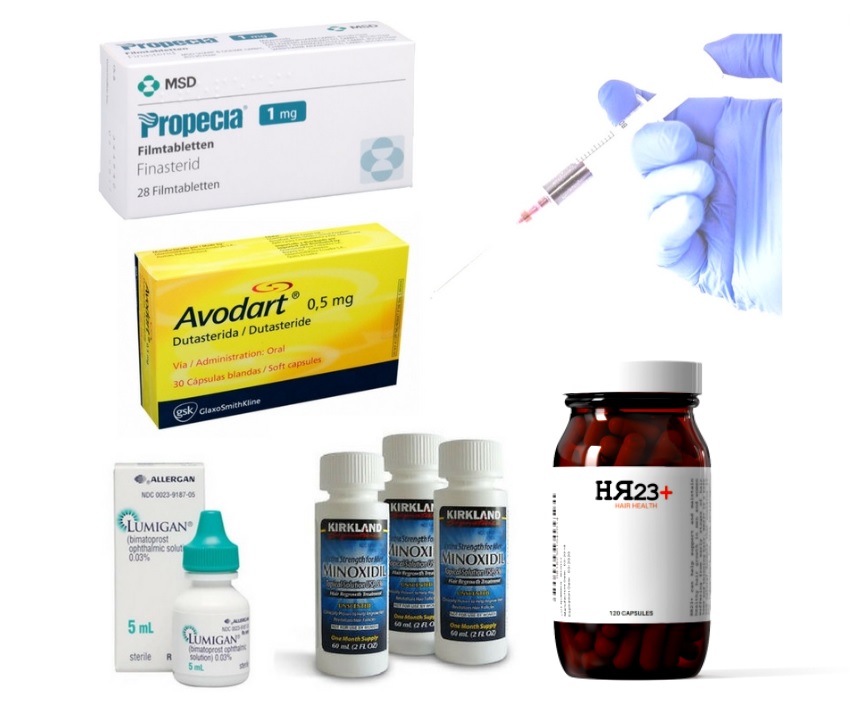
Best hair loss treatments on the market including minoxidil, finasteride and supplements

1. Finasteride (FDA Approved Oral DHT Blocker)

Finasteride is one of the most prescribed treatments for male pattern baldness. It works by inhibiting the 5-alpha-reductase enzyme, which converts testosterone into dihydrotestosterone (DHT) — the hormone primarily responsible for follicle miniaturisation.

Lowering DHT levels can:

  • Slow the progression of hair loss
  • Preserve existing hair density
  • Promote modest regrowth in early-stage balding

Limitations include potential side effects such as reduced libido, hormonal disruption, and long-term tolerance concerns. Finasteride is typically recommended for men in Norwood stages 2–4.

---

2. Minoxidil (FDA Approved Topical Hair Regrowth Treatment)

Minoxidil is a topical vasodilator available in 2% and 5% strengths. It is approved for both male and female hair loss and is widely used for:

  • Frontal thinning
  • Crown balding
  • Diffuse shedding
  • Female pattern hair loss

Minoxidil works by prolonging the anagen (growth) phase of the hair cycle and increasing blood flow to follicles.

Results typically appear after 3–6 months of continuous use. Stopping treatment usually results in resumed shedding.

---

3. Dutasteride (Stronger Prescription DHT Inhibitor)

Dutasteride inhibits both Type I and Type II 5-alpha reductase enzymes, making it more potent than finasteride. It is approved for hair loss treatment in some countries including Japan and South Korea.

While clinically more aggressive at lowering DHT, it may carry a higher side-effect profile and is typically considered when finasteride response is inadequate.

---

4. Stem Cell & Follicular Regeneration Research

Companies such as Shiseido and RepliCel have explored regenerative follicle therapy aimed at replicating or reactivating hair follicle cells.

These therapies aim to:

  • Rejuvenate dormant follicles
  • Repair follicular stem cell damage
  • Potentially reverse miniaturisation

While promising, these treatments remain experimental and are not widely available.

---

5. JAK Inhibitors

Janus Kinase (JAK) inhibitors have shown dramatic results in treating alopecia areata, an autoimmune type of hair loss.

Their application for androgenetic alopecia (pattern baldness) is still under investigation and not yet approved for this use.

---

6. Bimatoprost

Initially developed for eyelash growth, Bimatoprost has shown some potential for stimulating follicle activity, although large-scale scalp trials remain limited.

---

7. Natural & Drug-Free Hair Loss Treatments (HR23+®)

For individuals seeking a non-prescription hair loss treatment, HR23+® offers a drug-free alternative designed to:

  • Support healthy hair growth cycles
  • Reduce DHT impact naturally
  • Improve follicle nutrient delivery
  • Reduce excessive shedding

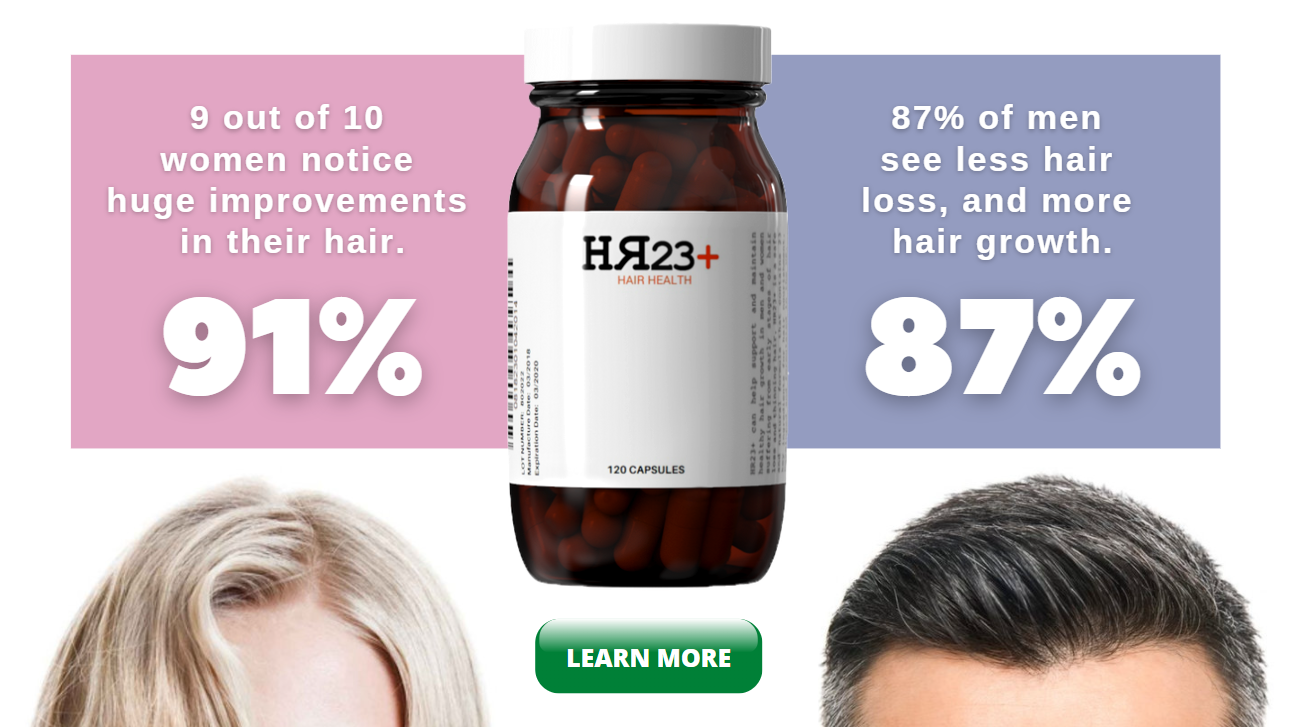
Formulated with 23 active ingredients including botanical DHT blockers and micronutrient cofactors, HR23+® is suitable for both men and women experiencing early to moderate pattern thinning.

Many users in Norwood 2–4 and Savin/Ludwig 1–2 stages report visible improvements when used consistently for 3–6 months.

---

Which Hair Loss Treatment Is Best?

The best hair loss treatment depends on:

  • Your type of hair loss (pattern, telogen effluvium, autoimmune, etc.)
  • Stage of thinning
  • Hormonal profile
  • Tolerance for prescription medications
  • Long-term maintenance commitment

Most effective regimens combine:

  • Topical stimulation (minoxidil or serum)
  • Systemic support (DHT control or supplementation)
  • Scalp care optimisation
  • Consistency over months
---

Final Thoughts

While no product can completely cure genetic hair loss, the right treatment plan can dramatically slow progression and improve cosmetic density.

Early intervention is key. The sooner hair thinning is addressed, the more follicle function can be preserved.

Disclaimer: This article is for informational purposes only and does not replace medical advice. Always consult a qualified healthcare professional before starting prescription treatments.

Sort By:
Page of 1