

Pumpkin Seed for Hair Growth: Can It Really Help Hair Loss?
Pumpkin seed oil has become one of the more interesting natural ingredients in the hair-loss conversation. Unlike many supplement ingredients, it has actually been tested in a human clinical trial for pattern hair loss. The results were promising — but they need to be understood in context.
Why is pumpkin seed associated with hair growth?
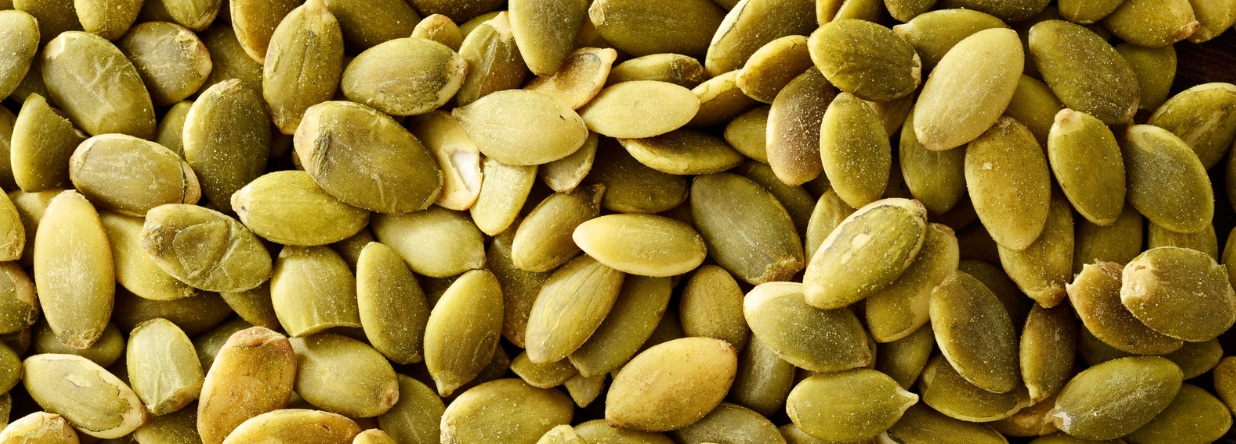
Pumpkin seeds are nutrient-dense foods containing unsaturated fatty acids, phytosterols, antioxidants and minerals including zinc and magnesium.
Pumpkin seed oil and concentrated pumpkin seed extracts have attracted particular interest in hair research because some of their naturally occurring plant compounds may influence pathways involved in androgen-related hair loss.
This has led to pumpkin seed appearing in both oral hair supplements and topical scalp formulations.
Importantly, however, eating pumpkin seeds, taking pumpkin seed oil, taking a concentrated extract and applying a topical preparation are not automatically equivalent interventions.
Human research gives pumpkin seed oil more credibility than many ingredients marketed for hair growth. But the evidence base remains relatively small, and it should not be presented as though its effects are as firmly established as conventional treatments for androgenetic alopecia.
What did the pumpkin seed oil hair study find?
One of the most frequently cited studies investigated pumpkin seed oil in men with mild-to-moderate androgenetic alopecia.
The randomized, double-blind, placebo-controlled trial followed 76 men for 24 weeks. Participants received either a pumpkin seed oil-containing supplement or placebo.
At the end of the study, the treatment group showed a significantly greater increase in hair count than the placebo group.
Promising? Yes. Definitive? Not yet.
The study provides genuine human evidence that a pumpkin seed oil-containing intervention may have potential for male pattern hair loss.
But it was a relatively small trial, involved men rather than women, and tested a particular oral product rather than every form or dose of pumpkin seed extract.
We therefore cannot assume that every pumpkin seed product will produce the same result.
Does pumpkin seed block DHT?
This is where pumpkin seed is often marketed too aggressively.
Dihydrotestosterone — DHT — plays a central role in androgenetic alopecia in genetically susceptible hair follicles. It is produced from testosterone through the action of the enzyme 5-alpha-reductase.
Pumpkin seed oil contains phytosterols and other plant compounds that have generated interest for possible effects on 5-alpha-reductase and androgen activity.
This provides a plausible mechanism for further investigation, but it does not justify saying that pumpkin seed is a clinically proven DHT blocker equivalent to established pharmaceutical treatments.
Is pattern hair loss caused by excess testosterone?
Not necessarily.
Men and women with androgenetic alopecia do not simply lose hair because they have “too much testosterone”.
Genetics and the sensitivity of susceptible follicles to androgen signalling — particularly DHT — are much more important.
Over time, susceptible follicles can progressively miniaturise, producing shorter, finer hairs.
This is why describing pumpkin seed as something that simply “lowers excess testosterone” gives an inaccurate picture of both pattern hair loss and the ingredient itself.
What can we reasonably say about pumpkin seed and hair?
What looks promising
- Human clinical research exists for male pattern hair loss.
- A controlled trial reported increased hair counts.
- Possible activity involving androgen-related pathways.
- Contains naturally occurring phytosterols.
- Pumpkin seeds provide useful dietary nutrients.
- Both oral and topical applications are being explored.
What we shouldn't claim
- That pumpkin seed reverses baldness.
- That it is a proven pharmaceutical-strength DHT blocker.
- That every pumpkin seed extract produces the trial result.
- That it works equally well in men and women.
- That it regrows completely inactive follicles.
- That it guarantees a 40% improvement for individual users.
Are all forms of pumpkin seed the same?
No. This is an important distinction.
Whole pumpkin seeds
A nutritious food providing protein, unsaturated fats, magnesium, zinc and other micronutrients. Excellent nutritionally, but not the same intervention used in hair-loss research.
Pumpkin seed oil
Concentrates the oil-soluble components of pumpkin seeds and is the form most closely associated with the published oral hair study.
Pumpkin seed extract
Concentrated extracts can be formulated differently depending on the manufacturing process, so one extract should not automatically be assumed equivalent to another.
Topical pumpkin seed
Pumpkin-derived oils and extracts also appear in scalp products. Topical use is an interesting area, but the evidence should be judged separately from oral supplementation.
What nutrients are found in pumpkin seeds?
Whole pumpkin seeds are highly nutritious in their own right. They provide protein, fibre, unsaturated fats and a range of minerals.
Particularly notable nutrients include magnesium, zinc, iron, copper and phosphorus.
These nutrients all have wider physiological roles, and adequate overall nutrition is important for normal hair production.
That does not mean pumpkin seeds stimulate hair growth simply because they contain multiple nutrients. The nutritional benefits of the whole food and the potential biological activity of concentrated pumpkin seed oil or extract are separate arguments.
What are the other benefits of pumpkin seeds?
Pumpkin seeds are a nutrient-dense food and can form part of a healthy diet. They provide unsaturated fats, fibre, protein, antioxidants and several important minerals.
Pumpkin seed preparations have also been studied in areas including prostate and urinary health. However, claims that pumpkin seed prevents cancer, treats diabetes or directly prevents cardiovascular disease go beyond what should be promised from a food or hair supplement.
Three claims that need perspective
“Pumpkin seed is scientifically proven to block DHT.”
There are plausible mechanisms and promising hair data, but this wording is too definitive. Pumpkin seed should not be treated as a clinically established DHT-blocking drug.
“Pumpkin seed oil reverses hair loss.”
One human trial reported a meaningful improvement in hair count, which is encouraging. That is different from demonstrating that pumpkin seed universally reverses androgenetic alopecia.
“Baldness is caused by excess testosterone.”
Pattern hair loss is primarily associated with genetic follicle susceptibility to androgen signalling, particularly DHT, rather than simply having abnormally high testosterone.
Why does HR23+® contain pumpkin seed extract?
Pumpkin seed is one of the more interesting botanical ingredients used in modern hair supplements because there is genuine human research investigating its potential in pattern hair loss.
HR23+ includes pumpkin seed extract as one component of its broader 23-ingredient formula.
The purpose is not to suggest that pumpkin seed alone can reverse androgenetic alopecia, but to include it alongside a wider range of selected nutritional and botanical ingredients.
Botanical hair support
An ingredient with promising research and a plausible biological rationale for further study in hair loss.
More than theory alone
A randomized controlled trial has investigated a pumpkin seed oil-containing supplement in men with androgenetic alopecia.
Part of a broader formula
HR23+ combines pumpkin seed with selected vitamins, minerals and botanical ingredients rather than relying on one extract alone.
Promising, not miraculous
Pumpkin seed has encouraging evidence, but it should not be presented as a guaranteed cure or replacement for established hair-loss treatments.
Pumpkin seed is one of the more promising natural hair ingredients.
Pumpkin seed oil stands out from many popular “natural hair growth” ingredients because there is controlled human research suggesting a potential benefit in men with androgenetic alopecia.
There is also a plausible scientific interest in its phytosterols and possible influence on androgen-related pathways.
But promising evidence is not the same as proving that pumpkin seed blocks DHT, reverses baldness or works for everybody.
It is a credible ingredient to include within a broader hair-support formula — provided the claims remain proportionate to the evidence.
Pumpkin seed extract. Part of a 23-ingredient formula.
HR23+® combines pumpkin seed extract with 22 other selected vitamins, minerals and botanical ingredients in one dedicated daily hair-support formula for men and women.
Explore HR23+®Pumpkin seed and hair growth: FAQ
Does pumpkin seed oil help hair growth?
There is promising human evidence. A randomized controlled trial in men with androgenetic alopecia reported a greater increase in hair count in participants taking a pumpkin seed oil-containing supplement than in those taking placebo.
Does pumpkin seed oil block DHT?
Pumpkin seed contains plant compounds that have generated interest for possible effects on 5-alpha-reductase and androgen-related pathways. However, it should not be described as a clinically proven DHT blocker equivalent to established pharmaceutical treatments.
Can pumpkin seed oil reverse baldness?
No evidence shows that pumpkin seed oil universally reverses baldness. Research suggests potential benefit for pattern hair loss, but the evidence base is still relatively small.
How long was pumpkin seed oil studied for hair loss?
The frequently cited randomized trial in men with androgenetic alopecia lasted 24 weeks.
Can women use pumpkin seed for hair loss?
Pumpkin seed ingredients are used in products for both men and women, but the best-known oral clinical trial involved men. The same result therefore cannot automatically be assumed in women.
Are pumpkin seeds and pumpkin seed oil the same for hair?
No. Whole pumpkin seeds are a nutritious food, while pumpkin seed oil and concentrated extracts contain different proportions of the seed's components. Evidence from one form should not automatically be applied to every other form.
Why is pumpkin seed extract included in HR23+®?
Pumpkin seed extract is included as one botanical component of HR23+'s broader 23-ingredient nutritional hair-support formula. It is an ingredient with promising research rather than a stand-alone cure for hair loss.
This article is for general information only and should not be considered medical advice. Persistent, sudden, severe or unexplained hair loss should be appropriately assessed. Research on pumpkin seed and hair loss remains limited, and individual responses to supplements vary.