

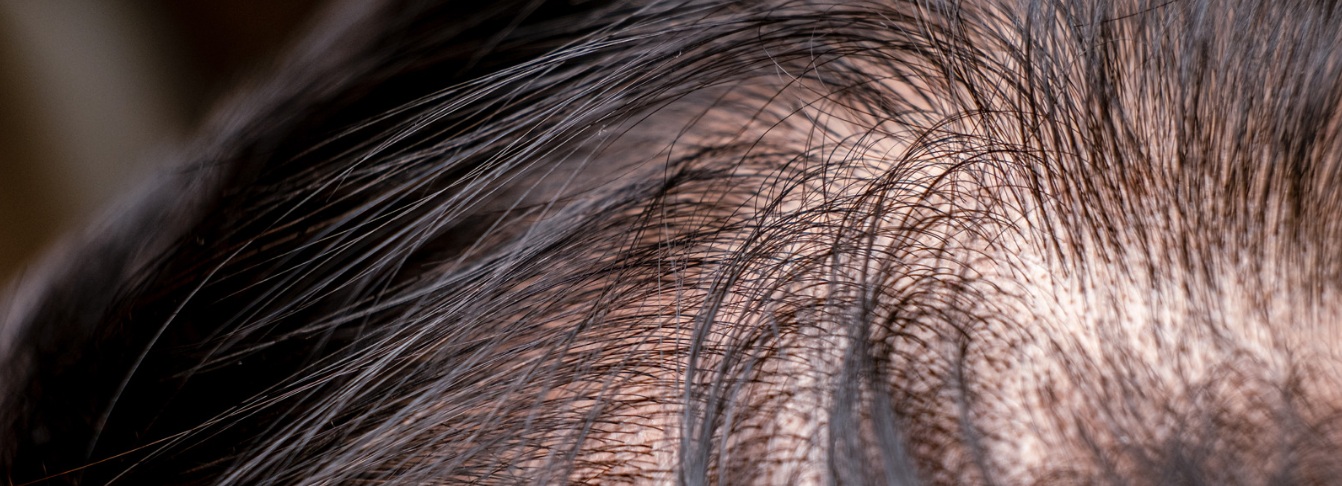
A hair loss cure and a hair loss treatment are different
When people ask whether baldness is curable, they often mean: “Can I restore my hair permanently without having to keep treating it?” That is a different question from whether hair loss can be improved.
A treatment may reduce shedding, help preserve existing hair or produce regrowth without removing the underlying tendency to lose hair. Cosmetic restoration can improve coverage without changing that tendency either.
Recovery
Hair returns after a temporary disruption settles. Continuing treatment may not always be necessary.
Management
Treatment helps control an ongoing condition. Benefits may depend on continued use.
Restoration
Procedures or cosmetic options improve coverage or appearance without necessarily treating the cause.
Which types of hair loss can grow back?
“Hair loss” describes several conditions with different outcomes. A treatment suitable for gradual hereditary thinning may be inappropriate for sudden shedding or an inflamed scalp.
| Type | Typical change | Can hair return? |
|---|---|---|
| Pattern hair loss | Gradual recession, crown thinning or a widening parting. | Treatment may preserve hair or improve density. Ongoing management is usually needed. |
| Telogen effluvium | Increased shedding across the scalp after a trigger. | Often improves when the trigger resolves. Visible fullness takes time to return. |
| Deficiency-related loss | Hair changes associated with inadequate nutrition. | Recovery may occur after a confirmed deficiency is corrected, depending on other contributing causes. |
| Alopecia areata | Often produces distinct patches of missing hair. | Regrowth can occur, but the course is unpredictable and recurrence is possible. |
| Traction alopecia | Thinning where hairstyles repeatedly pull on the hair. | Early changes may recover after tension stops. Long-standing damage can be permanent. |
| Scarring alopecia | Follicle damage that may accompany scalp inflammation. | Destroyed follicles cannot regrow hair. Treatment aims to limit further loss. |
This comparison cannot diagnose your condition. More than one cause can occur at the same time.
Why is male and female pattern hair loss difficult to cure?
Pattern hair loss, also called androgenetic alopecia, involves gradual changes in susceptible follicles. Affected hairs become finer and provide less scalp coverage, a process called miniaturisation.
Genetics are important. Androgen activity, including the hormone dihydrotestosterone (DHT), has a well-established role in male pattern hair loss. Female pattern hair loss is more complex and should not automatically be interpreted as evidence of unusually high androgen levels.
Treatments can influence hair growth or relevant hormonal pathways, but they do not permanently remove an inherited tendency to thin. This helps explain why treatment benefits can diminish after treatment stops.
Hairline and crown changes
Men commonly notice recession around the temples, thinning at the crown or both. The pace and extent vary considerably.
A wider parting and reduced density
Women commonly notice thinning over the top of the scalp. Assessment can also identify contributing shedding, scalp disease or other health factors.
Can miniaturised follicles produce thicker hair?
Some people experience improved thickness with appropriate treatment. However, a thinning area cannot be assessed reliably by calling its follicles “weak”, “dormant” or “dead”. A scalp examination gives a more useful picture.
A completely scarred follicle is different from a miniaturised follicle. Destroyed follicles cannot be restored with a shampoo, supplement or routine hair-growth medicine.
Which hair loss treatments may help?
Choose treatment according to the diagnosis, suitability and realistic goals. Maintaining existing hair can be a useful outcome even when dramatic regrowth does not occur.
Topical minoxidil
Minoxidil is used for pattern hair loss in men and women. It may improve growth, but responses vary. Discuss suitability and follow the product instructions; continued use is generally needed to maintain benefits.
Finasteride for male pattern hair loss
Finasteride reduces DHT production and is an option for suitable men. It requires discussion of potential side effects and continued treatment. It is not a routine self-treatment for women.
Other specialist treatments
Depending on the diagnosis, a dermatologist may discuss other prescription options or treatments for inflammatory or autoimmune hair loss. These should be selected for the specific condition.
Platelet-rich plasma and laser devices
PRP injections and some low-level laser devices may be considered for selected patients. Results, protocols and costs vary, and these approaches should not be advertised as permanent cures.
How quickly should you expect results?
Hair growth is slow, so meaningful assessment generally takes months rather than days. Agree a review schedule with your clinician and compare photographs taken under similar conditions.
Switching products frequently can make it difficult to judge progress. Equally, new symptoms or side effects warrant advice rather than simply continuing indefinitely.
Is a hair transplant a permanent cure for baldness?
A hair transplant moves follicles from a donor area to selected thinning areas. It can provide lasting coverage for suitable candidates, but it does not create an unlimited supply of hair or remove the underlying tendency to thin.
Hair around the transplanted area can continue to thin. Long-term planning should account for donor supply, likely progression and whether additional treatment may be appropriate.
Transplantation also involves surgical risks and is not suitable for every type of hair loss. An experienced, appropriately qualified surgeon should assess suitability and explain realistic results.
Can hair supplements or natural remedies cure hair loss?
A nutritious diet supports normal health, and correcting an established deficiency can be important. That does not mean additional vitamins will reverse every form of thinning.
Supplements, oils and cosmetic serums should not be presented as universal cures for baldness. “Natural” also does not automatically mean suitable for everyone.
Address nutritional needs
Review inadequate intake or a suspected deficiency with a professional. Supplementation should have a clear purpose and appropriate dosage.
Understand the limits
A supplement cannot establish the cause of thinning or replace treatment for a scalp condition. More nutrients do not necessarily mean more hair.
Where does HR23+® fit?
If you are comparing daily hair supplements, explore the HR23+® Hair Growth Supplement formulation and directions. Consider its suitability alongside your diet, medicines and other supplements.
HR23+® is a food supplement and should not be described as a permanent cure for hair loss.
Will there be a permanent cure for hair loss?
Hair-regrowth research continues, but there is no reliable date when a permanent cure for pattern baldness will become available.
A laboratory finding, early study or commercial announcement does not establish that a treatment is safe, effective or capable of lasting results in routine use.
When evaluating a claimed breakthrough, look for published human trial results, clear safety information and evidence about how long benefits last. Be cautious of guaranteed regrowth or claims that one treatment cures every type of hair loss.
What should you do before choosing a hair loss treatment?
- Record the change. Note when it started, where thinning occurs and whether shedding or scalp symptoms accompany it.
- Seek an assessment. Explain your health history, medicines and recent illnesses or dietary changes.
- Set a realistic goal. Discuss whether recovery, maintenance, improved density or cosmetic coverage is achievable.
- Plan the review. Understand the expected timescale, ongoing cost and how benefits and side effects will be assessed.
Hair loss can often be helped. The diagnosis decides how.
Some temporary causes allow recovery. Pattern hair loss usually needs ongoing management. Follicle destruction from scarring can make loss permanent.
Understanding the cause gives you a more useful starting point than searching for a product that promises to cure every form of baldness.
Considering a daily hair supplement?
Review the HR23+® ingredients and directions to decide whether the supplement fits your routine.
Explore HR23+®Hair loss cures and treatments: FAQ
Is there a permanent cure for male pattern baldness?
There is no established permanent cure that removes the inherited tendency to male pattern baldness. Treatments may preserve hair or improve growth, but ongoing management is generally needed.
Can female pattern hair loss be reversed?
Some women experience improved density with treatment, but full reversal is not guaranteed. Assessment should also consider other causes of shedding or thinning.
Can stress-related hair loss grow back?
Temporary shedding associated with a stressor may recover when the trigger resolves. Visible fullness takes time to return, and persistent shedding should be assessed.
Will regrown hair stay if I stop treatment?
It depends on the cause and treatment. Benefits from minoxidil or finasteride for pattern hair loss generally depend on continued use. Recovery from a resolved temporary trigger may not require ongoing treatment.
Can dead hair follicles grow back?
Follicles destroyed by scarring cannot produce hair again. Miniaturised follicles are different and may respond to treatment. Appearance alone cannot establish the condition of a follicle.
Does a hair transplant stop future hair loss?
No. A transplant redistributes follicles but does not stop the underlying process affecting other hair. Long-term planning should account for continuing thinning.
Can HR23+® cure hair loss?
HR23+® is a food supplement, not a permanent cure for hair loss. Its suitability should be considered alongside your diet, health and any treatment recommended for your diagnosis.