

Saw Palmetto for Hair Loss: Does It Really Help?
Saw palmetto is one of the most popular natural ingredients used in hair loss supplements. Learn how it works, what it may do for DHT-related thinning, whether it can help men and women, and how it fits into a wider hair growth routine.
Quick summary: saw palmetto is commonly used as a natural DHT-support ingredient. It is not the same as prescription finasteride, and it should not be treated as a guaranteed cure, but it may help support hair density and reduce excessive shedding when used consistently as part of a broader hair health routine.
What Is Saw Palmetto?
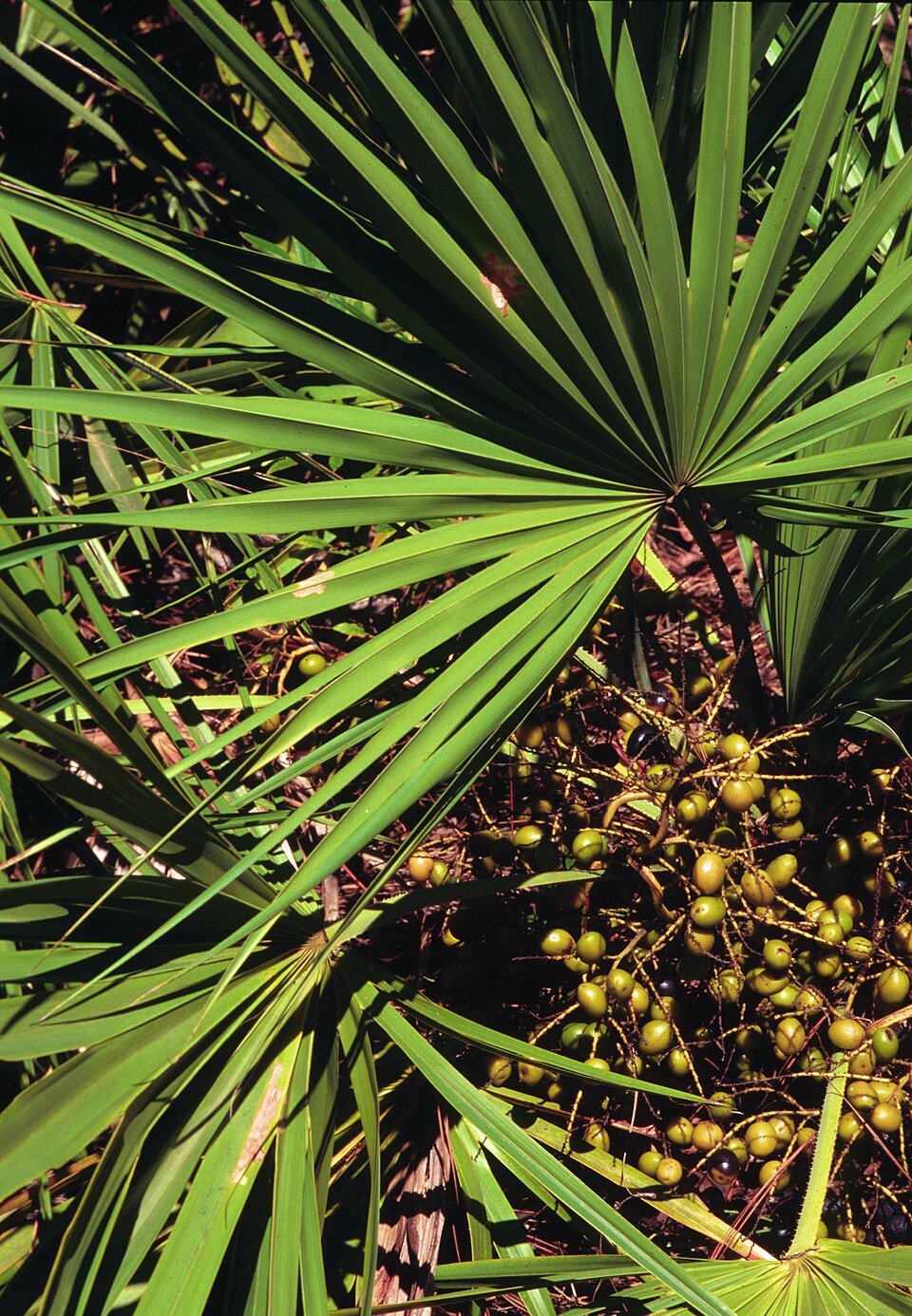
Saw palmetto is a plant with small berries that has been used traditionally for hundreds of years. The extract is most commonly associated with prostate health, hormonal balance and natural DHT-related support.
In the hair loss world, saw palmetto is best known for its potential role in supporting people with androgenetic alopecia, also known as male or female pattern hair loss.
Saw palmetto is one of the main botanical ingredients used in HR23+® hair restoration supplement and is also used in the HR23+ topical KGF Scalp Therapy Serum. It is included because of its long-standing association with DHT-related hair thinning and follicle support.
How Does Saw Palmetto Work for Hair Loss?
Pattern hair loss is strongly linked with DHT, short for dihydrotestosterone. DHT is created when testosterone is converted by an enzyme called 5-alpha-reductase.
In genetically sensitive follicles, DHT can contribute to a process called miniaturisation. Over time, affected follicles produce thinner, shorter and weaker hairs until visible density begins to reduce.
Saw palmetto extract is often discussed because some of its compounds may help support a healthier DHT environment. This is why it is sometimes described as a natural DHT-support ingredient.
Important: saw palmetto should not be presented as a direct natural replacement for finasteride. Finasteride is a prescription medication with a specific pharmaceutical action. Saw palmetto is a botanical ingredient that may offer gentler, broader support as part of a wider routine.
Can Saw Palmetto Help Prevent Hair Loss?
Saw palmetto may help support people experiencing early-stage thinning, especially when DHT sensitivity is part of the picture.
It is most commonly used by people with:
- Male pattern hair loss
- Female pattern hair loss
- Early-stage thinning
- Increased shedding linked with hormonal changes
- Thinning around the hairline, temples, crown or parting
However, saw palmetto does not usually “force” new hair to grow on its own. It is better understood as a supportive ingredient that may help reduce the pressures linked with thinning, especially when combined with hair growth nutrients, scalp care and consistency.
What Does the Research Say?
Research on saw palmetto for hair loss is promising but still more limited than research on prescription treatments such as finasteride or topical minoxidil.
Some studies have suggested that saw palmetto supplementation may improve hair growth outcomes in certain people with mild to moderate androgenetic alopecia. In one commonly referenced study involving men with moderate male pattern baldness, a proportion of participants reported improvement after using a saw palmetto oral supplement consistently over several months.
This does not mean saw palmetto works for everyone. It also does not mean it should be considered equal to prescription medication. The most realistic interpretation is that saw palmetto may be useful as part of a broader, non-prescription hair support routine.
Research highlight: saw palmetto is one of the most recognised natural ingredients associated with DHT-related hair loss. It may be most useful when combined with other supportive ingredients rather than used alone.
Saw Palmetto vs Finasteride
Saw palmetto and finasteride are often discussed together because both are associated with DHT-related pathways. However, they are not the same.
| Feature | Saw Palmetto | Finasteride |
|---|---|---|
| Type | Botanical extract | Prescription medication |
| Main use | Natural DHT-related support | DHT reduction through 5-alpha-reductase inhibition |
| Strength | Generally gentler and broader | More targeted pharmaceutical action |
| Prescription needed? | No | Yes |
| Best used for | Early-stage support and non-prescription routines | Male pattern hair loss under medical guidance |
For people who do not want to use prescription treatments, saw palmetto may be one ingredient to consider. For people using finasteride or other medications, speak with a healthcare professional before combining treatments or supplements.
Can Saw Palmetto Help Women with Thinning Hair?
Saw palmetto is also used by some women experiencing thinning hair, especially where hormonal balance, androgen sensitivity or female pattern hair loss may be involved.
Female hair loss is often more complex than male pattern baldness. It can involve hormonal shifts, menopause, postpartum changes, low ferritin, thyroid issues, stress, nutritional gaps and genetic sensitivity.
Because of this, saw palmetto is usually best considered as one part of a wider plan rather than a standalone solution. Women experiencing ongoing shedding or thinning should also consider checking common underlying drivers such as iron status, thyroid markers and vitamin D.
Common reasons women consider saw palmetto include:
- Female pattern hair loss
- Menopause-related thinning
- Hormonal shedding
- Scalp and follicle support
- A preference for non-prescription hair support
What Is the Best Form of Saw Palmetto?
Capsules and tablets are the most common forms of saw palmetto used in hair supplements. These are also the forms most often investigated in research.
Saw palmetto tea is unlikely to be as effective for hair loss because many of the active compounds are not water soluble. This is why saw palmetto is usually found as an extract in capsules, tablets or formulated supplements.
Topical saw palmetto may also be used in scalp serums, often combined with other ingredients designed to support scalp comfort, circulation and follicle environment.
What Should You Realistically Expect?
With consistent use of saw palmetto, some people may notice reduced shedding, improved hair quality or better density support over time.
However, there is limited evidence to suggest that saw palmetto alone can dramatically regrow hair, especially in advanced hair loss.
This is why saw palmetto can be more useful when combined with other hair-support ingredients such as biotin, zinc, pumpkin seed extract, nettle leaf, green tea extract, amino acids and scalp-support nutrients.
Realistic timeline: most hair support routines should be judged over at least 3–6 months. Hair growth is slow, and consistency matters more than short-term switching.
Is Saw Palmetto Safe?
Saw palmetto is generally considered well tolerated by many adults, but individual responses can vary. Mild digestive discomfort, headache or other reactions may occur in some people.
Anyone who is pregnant, breastfeeding, taking medication, managing hormone-related conditions, using blood-thinning medication, or preparing for surgery should speak with a healthcare professional before using saw palmetto or any new supplement.
Natural does not always mean suitable for everyone, so it is sensible to check compatibility if you have any medical concerns.
Saw Palmetto in the HR23+ Formula
HR23+® uses saw palmetto as part of a broader 23-ingredient formula designed to support healthier hair growth, reduce excessive shedding and help maintain stronger-looking hair.
Rather than relying on one isolated ingredient, HR23+ combines botanical extracts with key vitamins, minerals and nutrients that support the hair cycle from multiple angles.
- Saw palmetto for DHT-related support
- Biotin, zinc and B vitamins for normal hair maintenance
- Pumpkin seed, nettle leaf and green tea extract for broader botanical support
- MSM, amino acids and silica-related nutrients for hair structure support
FAQ: Saw Palmetto for Hair Loss
Does saw palmetto stop hair loss?
Saw palmetto may help support people with early-stage DHT-related thinning, but it is not guaranteed to stop hair loss completely. It works best as part of a broader routine.
Is saw palmetto as strong as finasteride?
No. Finasteride is a prescription medication with a specific pharmaceutical action. Saw palmetto is a botanical extract that may provide gentler DHT-related support.
Can women take saw palmetto for hair loss?
Some women use saw palmetto as part of a hair support routine, particularly for pattern thinning or hormonal hair changes. Women who are pregnant, breastfeeding or taking medication should seek professional advice first.
How long does saw palmetto take to work?
Most people should allow at least 3–6 months of consistent use before judging results, as hair growth cycles respond slowly.
What is the best way to take saw palmetto?
Saw palmetto is most commonly taken in capsule or tablet form as part of a formulated supplement. It may also be used topically in scalp serums.