

Best Foods for Healthy Hair: What Should You Actually Eat?
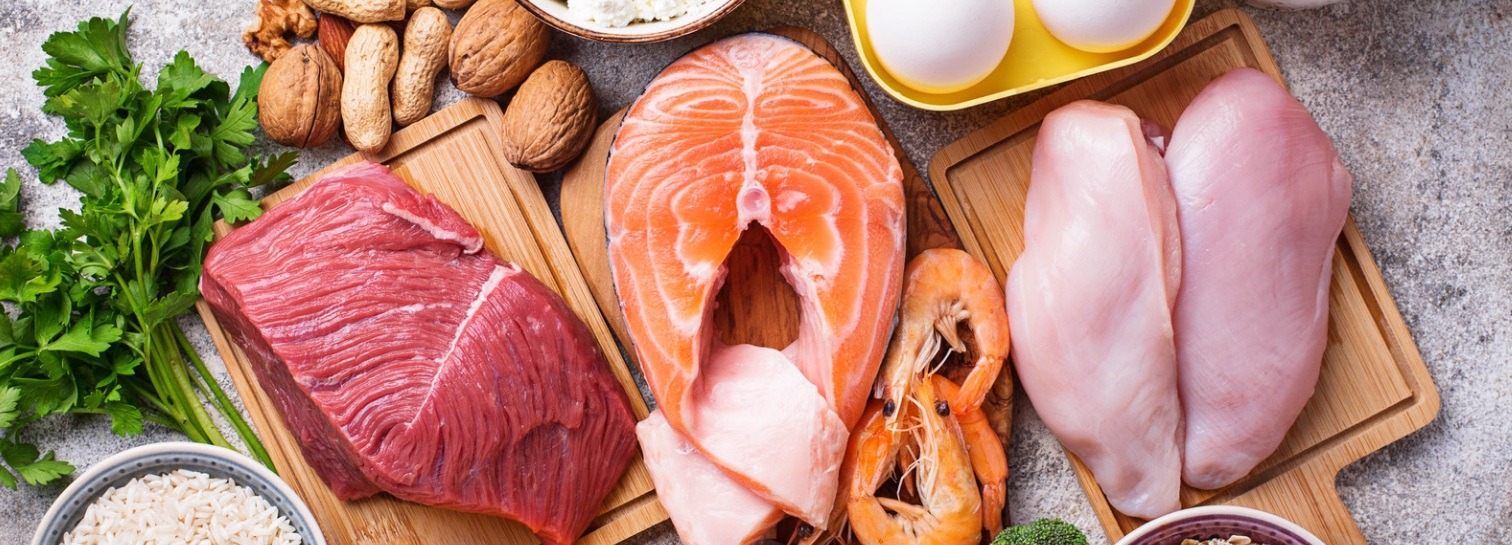
Healthy hair depends on a steady supply of protein, iron, zinc, vitamin B12, vitamin D and other essential nutrients. Here are some of the most nutrient-dense animal-based foods to include in a diet that supports stronger, healthier-looking hair.
Can food really make a difference to your hair?
Diet cannot cure genetic male or female pattern hair loss, and there is no single food that will suddenly make thinning hair grow back.
Nutrition does matter, however. Hair follicles are highly active structures, and normal hair growth depends on adequate energy, protein and micronutrients.
If your diet is deficient in protein, iron, zinc, vitamin B12, vitamin D or other essential nutrients, your hair may be one of the places where the effects eventually become noticeable.
Significant dieting, rapid weight loss, illness and prolonged periods of under-eating can also contribute to excessive shedding in susceptible people.
Eating eggs once a month or adding an occasional spoonful of collagen will not transform your hair. A consistently nutrient-dense diet with adequate protein and energy is far more important than chasing individual ingredients.
Which nutrients matter most for healthy hair?
The raw material for hair
Hair is composed largely of keratin, a structural protein. Adequate dietary protein supplies the amino acids required for normal tissue growth and maintenance.
Supporting normal blood formation
Iron and vitamin B12 are involved in normal red blood cell production. Iron deficiency, particularly low iron stores, can be associated with diffuse shedding in some people.
Normal growth and repair
Zinc contributes to normal protein synthesis and cell division. Deficiency can affect many tissues, including skin and hair.
Part of wider nutritional health
Vitamin D deficiency is common, while dietary fats also support normal cell function and the absorption of fat-soluble vitamins.
Seven animal-based foods for a hair-supportive diet
None of these foods should be viewed as a hair-loss treatment. Their advantage is simply that they provide useful combinations of protein, vitamins, minerals and fats within ordinary food.
Eggs
Eggs are one of the simplest all-round foods for anyone looking to increase nutrient density. They provide complete protein, choline, selenium and several B vitamins.
The yolk contains a large proportion of the egg's micronutrients, so eating the whole egg provides a broader nutritional profile than egg whites alone.
Red meat
Beef and lamb provide high-quality protein together with heme iron, zinc and vitamin B12.
Heme iron is generally absorbed more efficiently than non-heme iron from plant foods, making meat a useful dietary source for people who eat it.
Liver
Liver is exceptionally nutrient dense and provides vitamin A, vitamin B12, copper, folate and several other micronutrients in relatively small amounts.
More is not necessarily better. Liver is particularly rich in preformed vitamin A, so very large or frequent portions are unnecessary and can lead to excessive intake.
Oily fish
Salmon, sardines and mackerel provide complete protein alongside long-chain omega-3 fatty acids. Oily fish is also one of the few useful dietary sources of vitamin D.
Omega-3 fats should not be regarded as a direct hair-growth treatment, but they form part of a nutritious diet and support normal skin and wider health.
Shellfish
Shellfish such as oysters and mussels are particularly rich in minerals. Oysters, for example, are among the most concentrated dietary sources of zinc.
Mussels also provide iron, vitamin B12 and protein, making shellfish a useful occasional addition to a varied diet.
Slow-cooked meat & collagen-rich cuts
Slow-cooked meat, connective tissue, gelatin and bone-broth-style foods provide amino acids such as glycine and proline alongside other dietary proteins.
Collagen itself should not be viewed as a direct treatment for hair loss. Its main value is as another source of dietary amino acids within a varied protein intake.
Dairy, if tolerated
Greek yoghurt, kefir, cheese and other dairy foods can provide convenient protein, calcium and calories.
This can be particularly useful for people who struggle to eat enough overall, although dairy is entirely optional and should be avoided if it does not agree with you.
A practical hair-supportive eating framework
You do not need to calculate every micronutrient or build your diet around hair growth. A few basic principles cover most of what matters.
Prioritise protein
Base meals around protein-rich foods such as eggs, meat, fish, poultry or shellfish according to your preferences.
Eat enough
Chronic calorie restriction and rapid weight loss can contribute to temporary hair shedding. Adequate energy intake matters.
Vary your nutrient sources
Rotate eggs, meat, fish and occasional organ meat or shellfish rather than relying on one food every day.
Look for deficiencies
Persistent shedding may warrant testing for nutritional or medical issues rather than simply adding more foods or supplements.
What can better nutrition realistically do for your hair?
If your hair problems are partly related to inadequate nutrition, fixing that underlying problem can matter considerably.
Good nutrition may help support:
- Normal hair growth where nutritional intake was previously inadequate.
- Recovery from shedding associated with significant under-eating or deficiency.
- Normal hair fibre strength and quality.
- Normal skin and scalp health.
- A stronger nutritional foundation for your wider hair-care routine.
What won't diet fix?
Nutrition is important, but eating a perfect diet does not make someone immune to genetic hair loss.
Male and female pattern hair loss are influenced largely by genetics and hormonal sensitivity. Good nutrition can support normal hair, but it cannot reliably reverse advanced androgenetic alopecia by itself.
Likewise, sudden or persistent shedding should not automatically be blamed on diet. Thyroid problems, medication, hormonal changes, illness and other medical factors can all affect the hair cycle.
If persistent shedding is accompanied by fatigue or other symptoms, it may be worth discussing blood tests with a healthcare professional. Iron status, vitamin D and thyroid function are among the areas commonly considered when investigating unexplained diffuse hair shedding.
Do you need a hair supplement if your diet is good?
Not necessarily. Supplements should complement food rather than replace it, and taking excessive amounts of individual vitamins or minerals can sometimes be counterproductive.
A dedicated hair supplement may appeal to people who want a simple, consistent way to provide a broad range of selected micronutrients as part of their existing diet.
The key is not to think of food and supplements as competing approaches. A good diet provides the nutritional foundation; supplementation can be used where appropriate to complement that foundation.
Foods for hair growth: FAQ
What are the best foods for healthy hair?
Foods providing high-quality protein together with iron, zinc, B12, vitamin D and other essential nutrients are useful choices. Eggs, meat, oily fish and shellfish are particularly nutrient dense.
Does eating more protein make hair grow faster?
If your protein intake is already adequate, simply eating more protein is unlikely to make hair grow faster. However, insufficient dietary protein can compromise normal tissue maintenance, so adequate intake is important.
Can low iron cause hair shedding?
Iron deficiency can be associated with diffuse hair shedding in some people. If deficiency is suspected, it is better to establish your iron status properly rather than taking high-dose iron without knowing whether you need it.
How quickly will a better diet improve my hair?
Hair cycles are slow. Correcting a genuine nutritional problem may help reduce excessive shedding over time, but visible changes in hair density or quality generally need to be assessed over months rather than days or a few weeks.
Good nutrition first. HR23+® alongside it.
HR23+® combines 23 carefully selected vitamins, minerals and botanical ingredients within one dedicated daily hair-support formula for men and women. It is designed to complement a healthy diet — not replace one.
Explore HR23+®This article is for general information only and should not be considered medical or nutritional advice. If you are experiencing sudden, severe, patchy or persistent hair loss, or suspect a nutritional deficiency, seek advice from an appropriately qualified healthcare professional.